Columbia Climate NewsPolicyJun 2 Regenerative Travel: Students Field Test What’s Next in Climate-Conscious Tourism
The Wild Tomorrow capstone workshop and Cuttyhunk Practicum are two examples of Climate School initiatives that focus on climate-conscious travel.
Abatify Summary
**Regenerative tourism initiatives directly bolster local ecological resilience and biodiversity conservation by funding habitat restoration and active carbon sequestration efforts.**
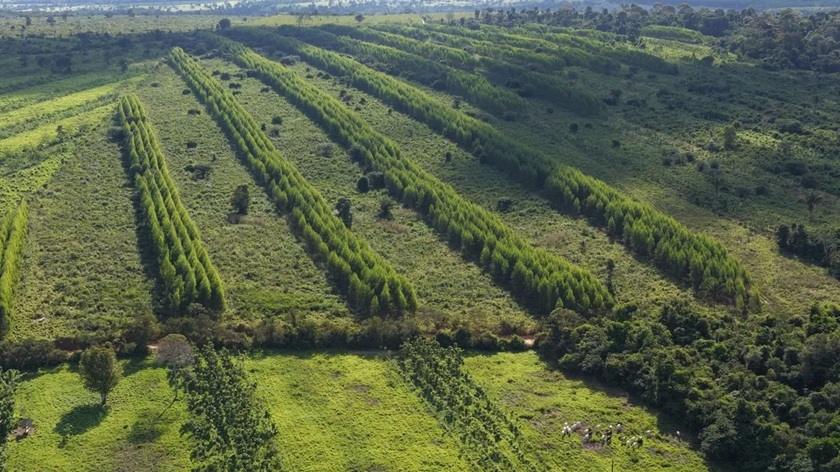
- Integrates localized conservation models, such as South Africa's Wild Tomorrow reserve management, to prevent habitat fragmentation and enhance terrestrial biodiversity baselines.
- Fosters coastal ecosystem protection and potential Blue Carbon carbon-sink development through community-led resilience frameworks like the Cuttyhunk Practicum.
- Enhances long-term ecological stability by shifting the tourism paradigm from footprint mitigation to active, LULUCF-aligned landscape restoration.
**The transition toward regenerative travel frameworks reshapes corporate Scope 3 accounting and pressures voluntary carbon markets to align with strict ICVCM Core Carbon Principles.**
- Accelerates the shift in corporate travel strategies under SBTi guidelines, driving demand for verifiable, high-integrity removals over simple avoidance offsets.
- Exposes the structural market need for rigorous additionality and permanence frameworks, forcing tourism-related offsets to align with ICVCM CCP benchmarks.
- Signals regulatory and policy shifts toward localized, sustainable tourism mandates that integrate regional carbon accounting and direct community benefit-sharing.