ESG Today: Week in Review
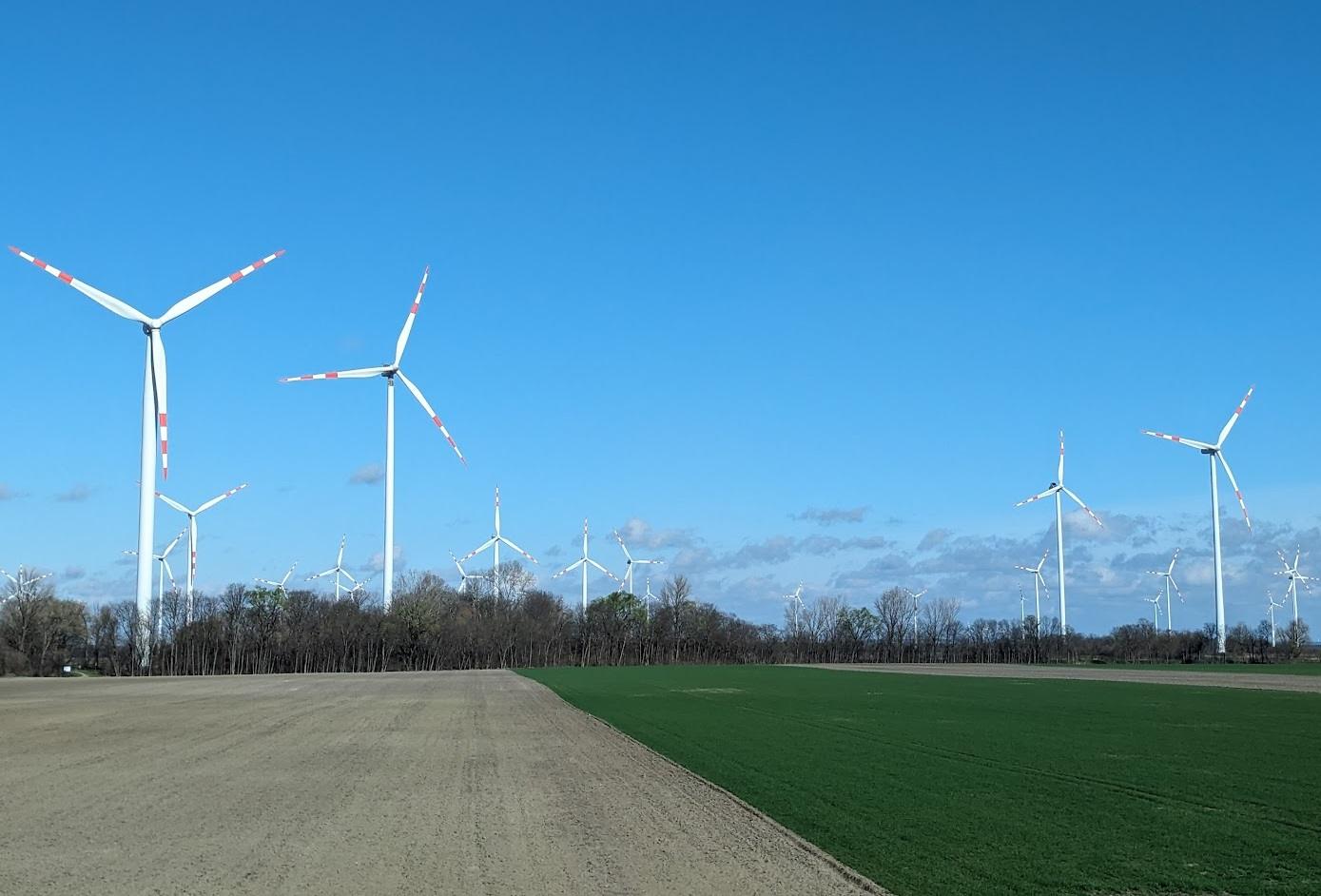
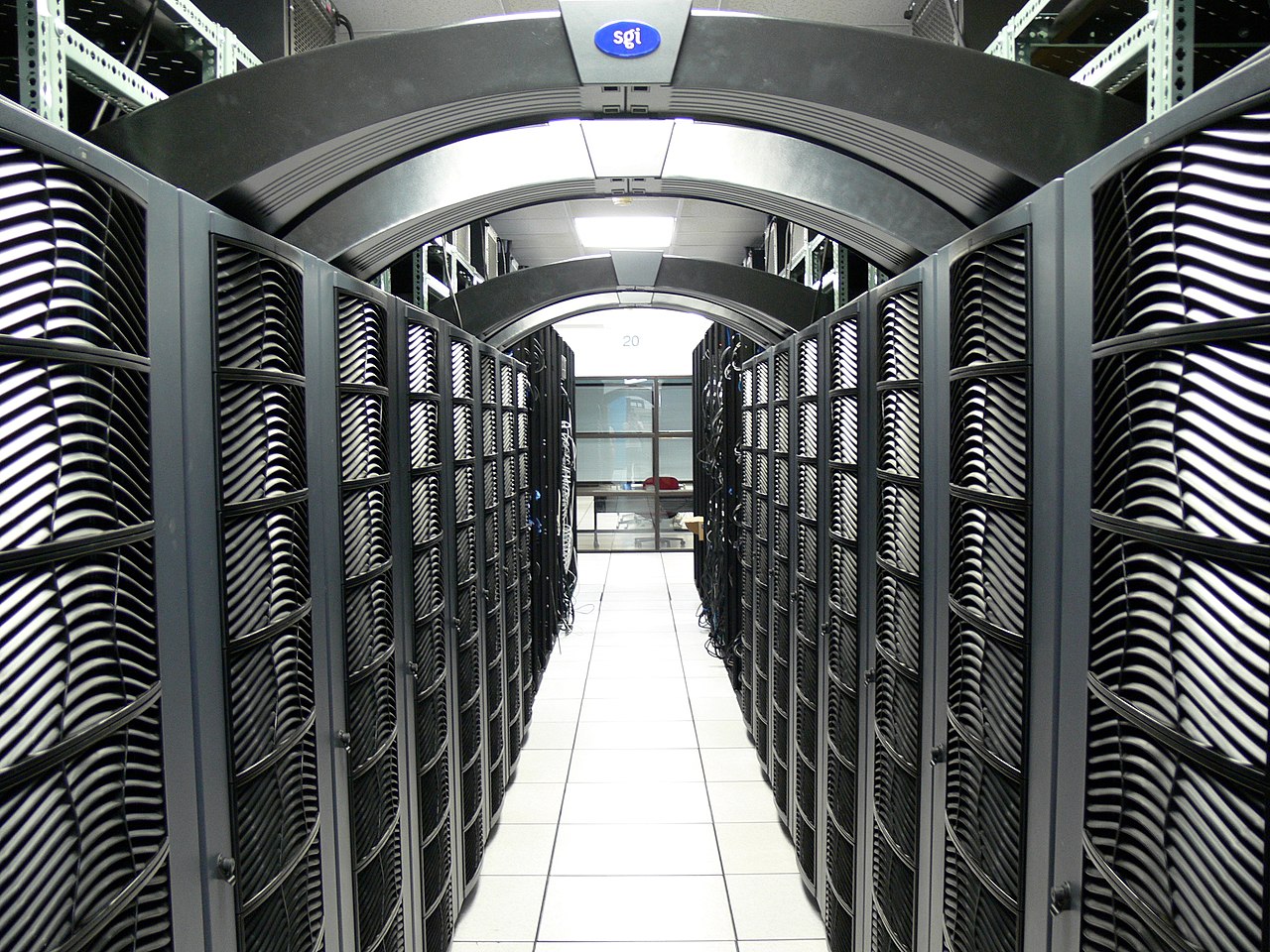
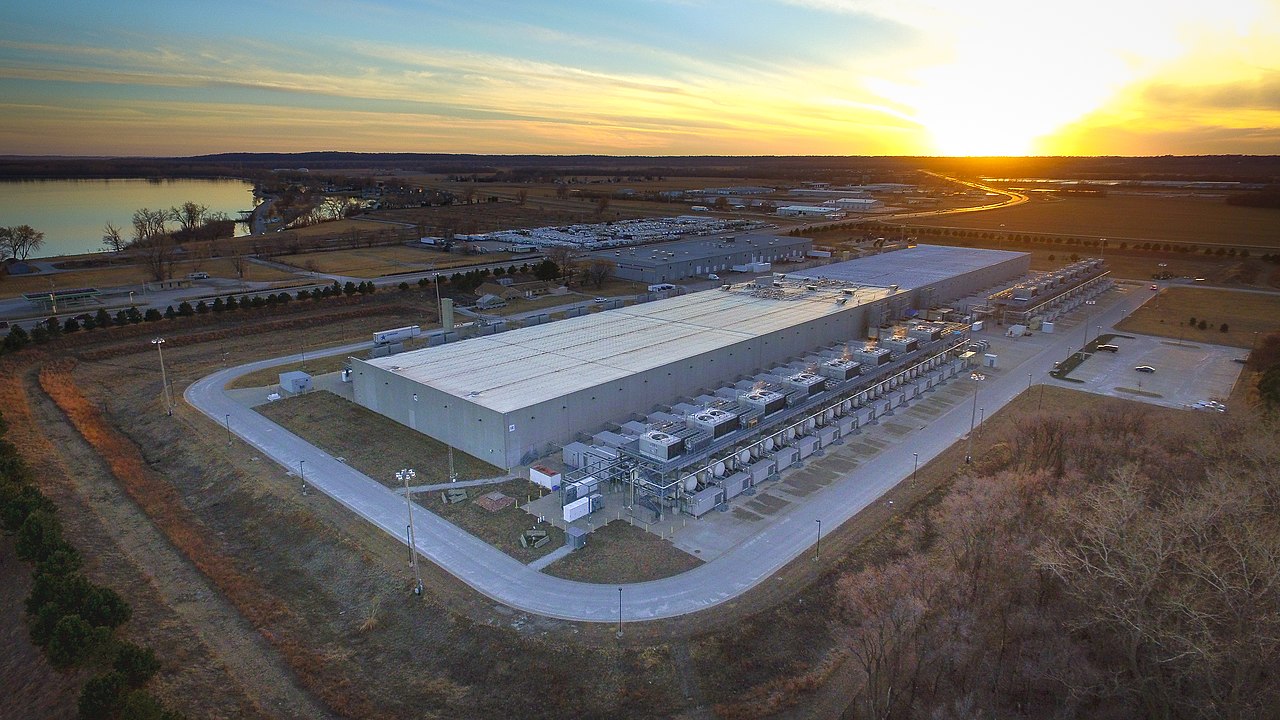
This week in ESG news: Google confirms “moonshot” clean energy goal remains in place despite […]
Abatify Summary
**Google's unwavering commitment to its 24/7 carbon-free energy goals highlights the severe ecological tension between rapid AI-driven data center expansion and regional decarbonization.**
- The massive energy requirements of AI infrastructure threaten local biodiversity by driving the continued operation of fossil-fuel baseload plants.
- Accelerated deployment of advanced geothermal and clean technologies is crucial for long-term ecological stability and water-use mitigation in data center regions.
- High-integrity renewable energy procurement acts as a primary buffer against the ecological degradation associated with localized grid overloads.
**The collision between AI-driven power demands and corporate net-zero pledges is forcing a systemic evolution in how Scope 2 and Scope 3 emissions are accounted for under SBTi frameworks.**
- Tech giants are driving a shift from standard annual clean energy matching to hourly-tracked EACs and high-integrity I-RECs to meet strict additionality criteria.
- Market pricing for clean energy PPAs is experiencing upward pressure, restructuring the financial liquidity of renewable energy markets globally.
- As voluntary carbon markets mature, alignment with ICVCM Core Carbon Principles (CCPs) is becoming mandatory for corporates to avoid greenwashing allegations.