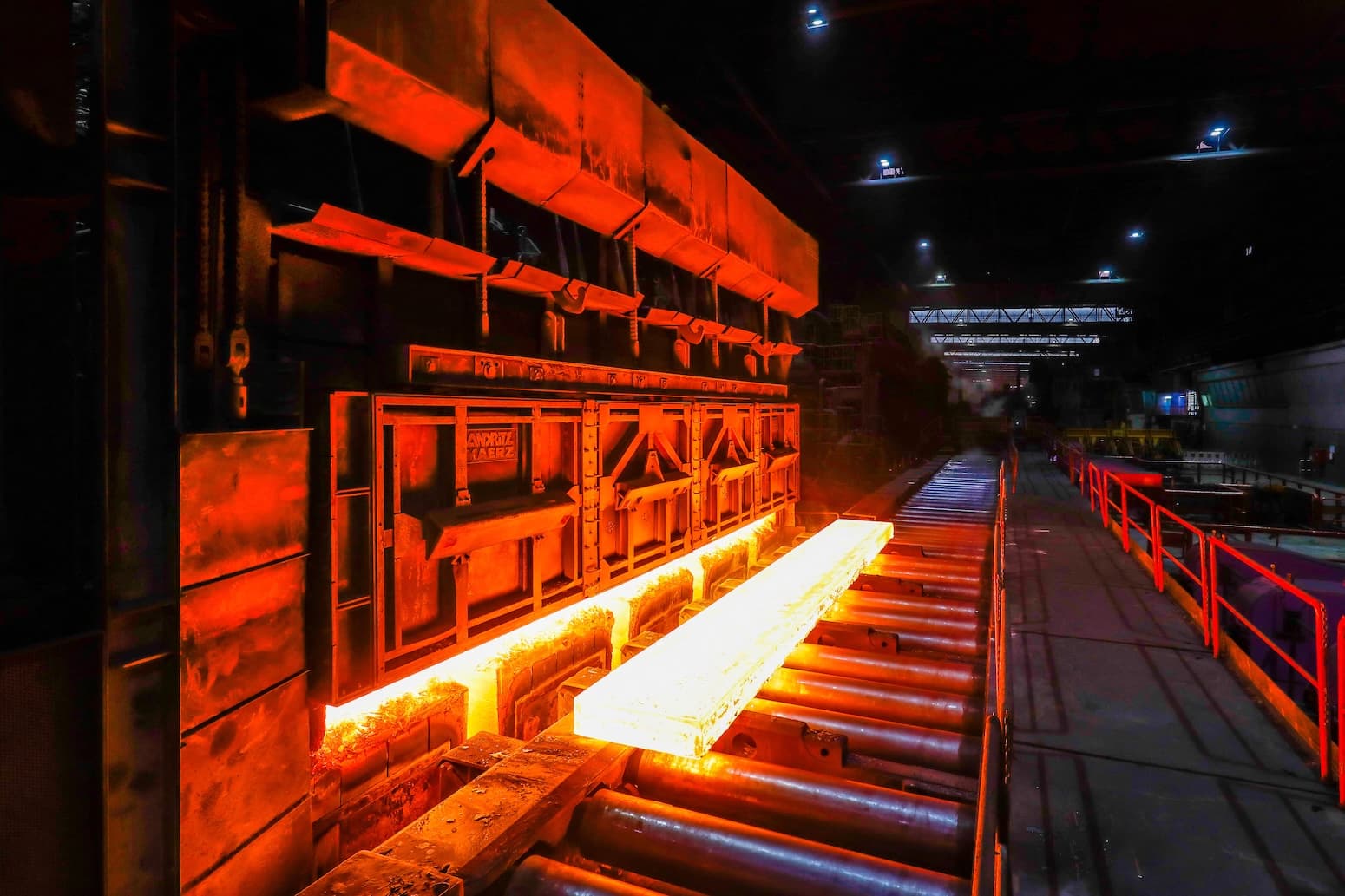
The European Commission has put forward a plan to boost production of EU-made, low-carbon steel,...
 Back
BackQ&A: What the EU’s new industry and ‘Made in Europe’ rules mean for climate action
abatify summary
Ecosystem Impact
The transition to low-carbon industrial processes like green steel reduces the localized impacts of heavy industry, such as sulfur and nitrogen oxide emissions, which helps preserve regional air and water quality. By lowering the carbon footprint of structural materials, the policy supports global climate mitigation goals, indirectly protecting biodiversity from temperature extremes, though the intensified demand for raw materials may increase mining pressures on specific ecological zones.
Systemic Reality
This plan represents a shift toward industrial sovereignty and green protectionism, fundamentally altering global trade dynamics by incentivizing 'Made in Europe' supply chains. It redefines financial risk by accelerating the transition away from carbon-intensive assets and influences global policy frameworks through competitive subsidy structures and potential alignment with the Carbon Border Adjustment Mechanism (CBAM).
This story moves you. Here’s what you can do.