Columbia Climate Law BlogPolicyJul 14 Michigan Court of Appeals Decision Largely Upholds Michigan PSC’s Renewable Energy Siting Process
Michigan has recently taken steps to centralize and streamline the siting of renewable energy projects, in response to ongoing challenges from local opposition. In 2023, the Michigan state legislature enacted, and Governor Whitmer signed, Public Act 233 (PA 233) which establishes limits on the types of restrictions that local governments can place on renewable energy […]
Abatify Summary
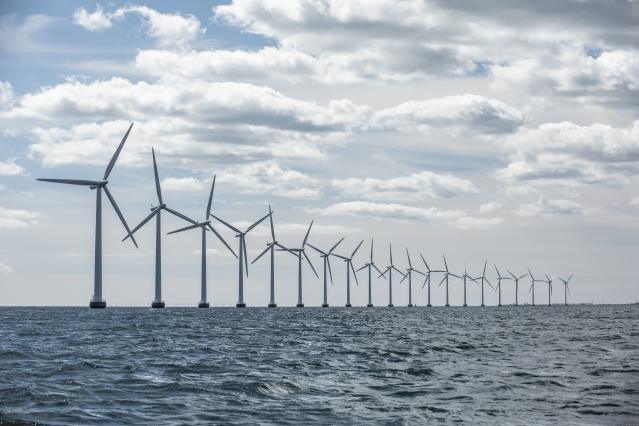
**The centralized siting under PA 233 accelerates the physical deployment of utility-scale wind and solar infrastructure, reshaping regional land-use patterns and impacting local biodiversity.**
- Accelerated transformation of agricultural or open lands into solar and wind corridors alters regional LULUCF (Land Use, Land-Use Change, and Forestry) dynamics and localized soil carbon sequestration capacities.
- Streamlined state-level permitting may bypass local-level ecological concerns, requiring robust state-enforced mitigation strategies to preserve local wildlife habitats and biodiversity corridors.
- Rapid displacement of fossil-fueled peaker plants by utility-scale renewables will significantly lower regional criteria air pollutants, contributing to broader ecological health and stability.
**By upholding centralized regulatory authority, the court decision secures project timelines for developers, directly enhancing the supply liquidity of high-quality environmental attributes needed for corporate compliance.**
- The ruling reduces development risks for clean energy projects, accelerating the generation of RECs to support corporate Scope 2 goals under the Science Based Targets initiative (SBTi).
- While expediting deployment, the top-down state preemption highlights an ongoing tension with the ICVCM Core Carbon Principles (CCPs), specifically regarding robust local stakeholder consultation and social safeguards.
- This judicial precedent offers a regulatory blueprint for other states facing local grid bottlenecks, signaling a systemic shift toward centralized oversight to meet net-zero compliance targets.